

Designing for circularity involves more than just product changes, it requires a holistic approach to ensure re-circulation in practice
The traditional linear model is wasteful by design. It is rooted in the extraction of new resources and contributes to over 50% of global climate impact. This leads to significant indirect emissions for companies, coming from raw material supply and product lifecycles - Scope 3 - which are hard to tackle. Relying only on energy efficiency and green energy isn’t enough. As environmental concerns grow, so does the demand for material efficiency and sustainable products.
Policies like the EU’s Ecodesign for Sustainable Products Regulation (ESPR) drive this shift by establishing circularity as the norm, requiring products to be durable, repairable, and reusable. Adopting circular design is essential for addressing these issues. Shifting to circular design can help businesses lower costs, reduce emissions, and create new economic opportunities while ensuring compliance with regulations and boosting brand loyalty.

Ready to take the next step toward circularity?
At Stena Circular Consulting, we have created smart introductory services to help you start your journey within circular product design.
From an inspiring workshop within design for circularity to analyzing recycling rates, screening carbon footprint, identifying alternative materials with lower environmental footprint, and maximizing material recyclability and reuse – our experts are here to guide you every step of the way.

Our work on design for circularity (DfC) helps uncover obstacles to be addressed:
- Trend-driven designs, poor focus on functional lifespan and rapid upgrades lead to quick obsolescence, promoting disposal instead of longevity.
- Products designed without modularity, sealed, and non-replaceable components limit opportunities to reuse, repair, or remanufacture.
- The lack of access to standardized or affordable spare parts makes repairs costly and impractical, discouraging to keep the product in use.
- Insufficient logistics and infrastructure to maintain, transport, and upgrade products limit scalability.

Our design for circularity (DfC) methodology
DfC focuses on the inner loops of a circular economy: repair, reuse, refurbish, and remanufacture. These loops keep products in circulation, minimizing waste and reducing the need for new resources. Designing for circularity involves more than just product changes—it requires a holistic approach to ensure re-circulation in practice. This involves addressing prerequisites within three core areas:
- Product design - durability, disassembly, repairability, upgradeability, etc.
- System - regulatory, technical, logistical, customer factors, etc.
- Business model - revenue opportunities, incentives, economic viability, market relevance, etc.

We recognize that circularity isn’t a one-size-fits-all solution. Our DfC assessments can be customized to best meet your business strategy, whether it's repair, reuse, refurbishment and/or remanufacturing. The appropriate approach depends on your goals, capabilities, product's complexity, and industry context. Our assessment can also integrate Design for Recycling to even address end-of-life and recycling considerations.
Components of the design for circularity (DfC) method
Depending on your team’s need, we can adapt the pace of intervention, through an iterative approach, from intensive workshop sessions to full scope analysis. To evaluate your product’s baseline for circularity, we offer a structured methodology that includes:

System mapping

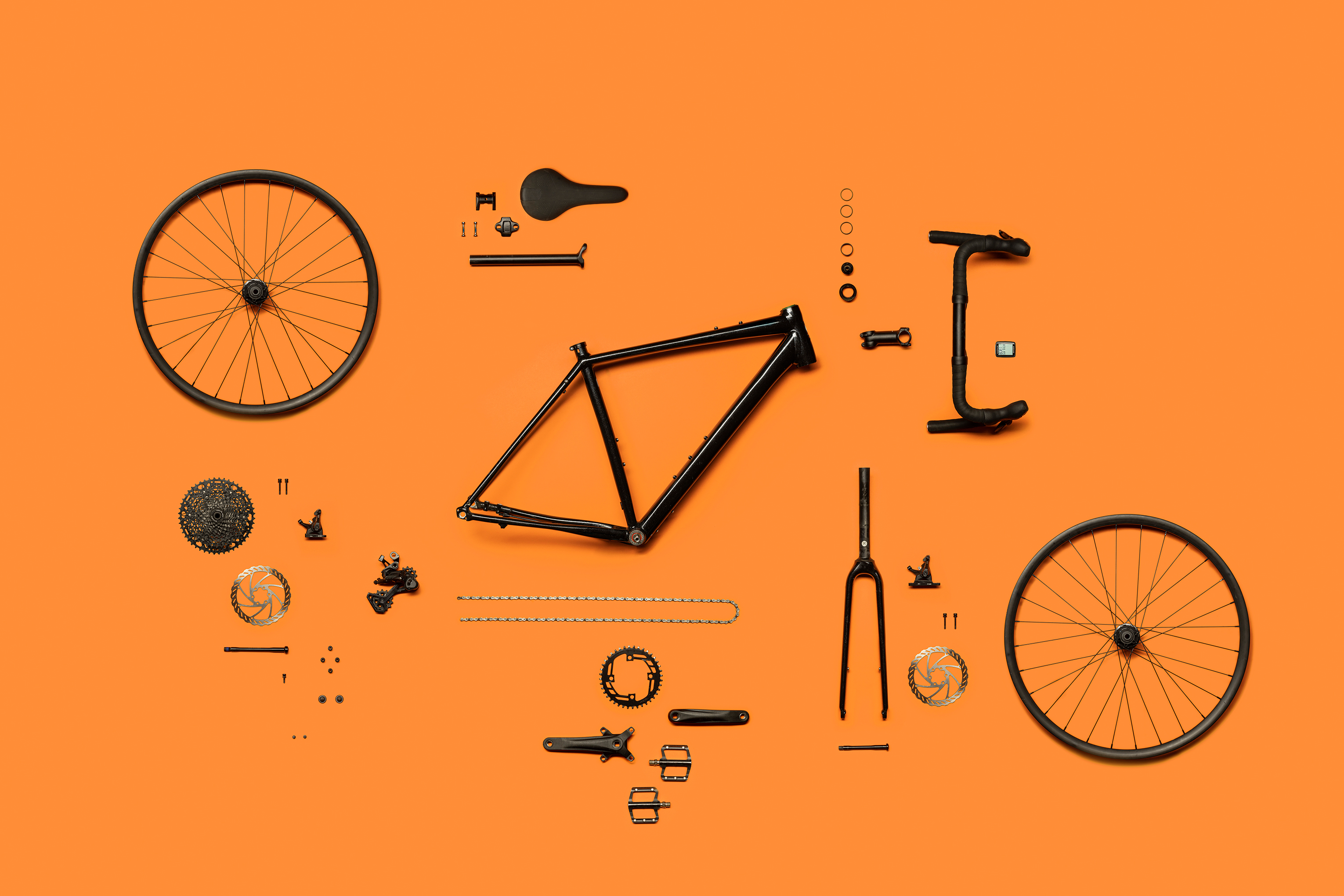
Product tear-down

Quantitative analysis

Qualitative analysis
Regulatory alignment: Meeting compliance while driving innovation
Our proprietary methodology is aligned with evolving regulatory requirements that increasingly mandate circular practices. This includes market-specific directives like the French Repairability Index, current EU’s regulations and the forthcoming Right to Repair and ESPR requirements which will establish new standards across the EU for product circularity. By integrating regulatory insights, we help ensure that your products not only meet today’s standards but are also future-proofed. This means you are not only ready for the market but also positioned to meet consumer expectations and government requirements.

But there’s more at stake than just compliance
Circularity offers businesses a significant competitive advantage by creating products that are designed to be reused, repaired, refurbished, or remanufactured. Our product assessment helps you profit from new revenue streams, deep customer loyalty and reduce long-term operational costs. For example:
- Identifying critical components’ value helps companies optimize pricing and find opportunities for added services like spare sales, maintenance, or extended warranties.
- Improving product durability supports longer life cycles and enables new revenue through secondary sales, pay-per-use, leasing or PaaS.
- Evaluating the residual value of components after use, uncovers opportunities for take-back to recover valuables such as semiconductors and motors, avoiding waste and harvesting crititcal resources.
Tailored recommendations for your designs
The design for circularity methodology equips you with clear, actionable insights to transform your product design. We provide tailored recommendations that help you and your design team pinpoint product flaws and identify areas for improvement, ensuring you to design for real circularity.
Together, we generate ideas for prioritized developments that align with your goals and capabilities, creating a comprehensive roadmap for success - whether you’re looking for immediate changes or long-term strategies. Recognizing that circularity is a systemic effort, we facilitate alignment across departments - design, supply, customer service and sales - ensuring everyone is engaged.
Finally, we assist you in identifying the right partners and internal capabilities needed to support your journey, empowering your organization to thrive.
FAQ about design for circularity
Design for circularity means developing products that can be used across multiple life cycles through repair, reuse, refurbishment, and remanufacturing. Product design, business model, and system conditions need to work together to support circular flows and long-term value creation.
Design for circularity focuses on durable construction, modularity, repairability, and upgradeability. By enabling service, component replacement, and upgrades, products can be used for longer and retain their value across more use cycles.
Repairability is assessed by analysing disassembly, diagnostics, repair, and reassembly. Stena Circular Consulting combines standards within the EN 4555X series with its own methodology. The analysis also includes spare parts availability, service costs, business model, and system conditions.
Material choices, modularity, joining methods, component accessibility, upgradeability, and spare parts availability are often critical. They affect how well the product can be repaired, reused, and remanufactured across multiple life cycles. Stena Circular Consulting analyses product architecture, material choices, business model, and system conditions to enable circularity in practice.
Design for circularity should be integrated from requirements setting to finished product. By including lifespan, repairability, reuse, and remanufacturing as design requirements, companies can develop products that support a circular economy.
A life cycle assessment (LCA) can compare different design options and quantify the impact of design for circularity. By analysing lifespan, repair, reuse, and remanufacturing, companies can evaluate environmental impact across the entire life cycle. Design for circularity also supports a Cradle-to-Cradle perspective.
ESPR includes requirements related to product information, durability, repairability, reuse, and resource efficiency. Design for circularity helps companies evaluate, improve, and document these characteristics, and translate regulatory requirements into concrete design decisions.
Requirements vary between product groups under the Ecodesign for Sustainable Products Regulation (ESPR). Repairability is a central requirement for many product categories. Measuring repairability includes disassembly, parts accessibility by design, spare parts availability, upgradeability, and lifespan, including expected use time and resistance to wear.
Repairability and reuse can be assessed through analysis of product design, disassembly, component replacement, spare parts availability, and product lifespan. Design for circularity helps companies document these characteristics for key products and strengthen reporting under ESRS E5.
Stena Circular Consulting helps companies translate circular economy from strategy into implementation. We combine product development, regulatory expertise, sustainability data, and knowledge of real material and resource flows to develop products that work in practice across multiple life cycles.


